
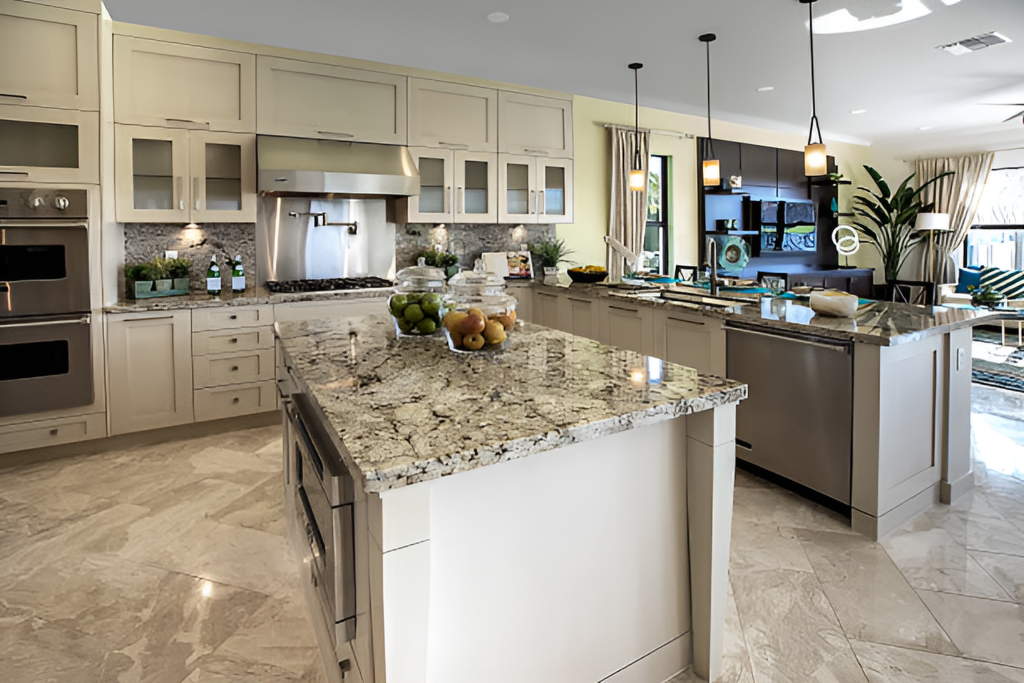
- Tile patterns influence space perception: Diagonal layouts, large tiles, and directional patterns can make rooms feel larger or cozier, depending on size and orientation.
- Patterns set style and mood: From modern chevrons to vintage mosaics, tile arrangements convey design style and affect the room’s ambiance.
- Color, finish, and material matter: Light vs. dark colors, glossy vs. matte finishes, and material choices like ceramic, porcelain, or natural stone all impact room feel and maintenance.
- Mixing patterns requires balance: Limit yourself to two patterns per space, balance large and small tiles, and define zones to avoid visual clutter.
- Practicality matters per room: Kitchens, bathrooms, living rooms, and entryways each have ideal patterns, tile sizes, and finishes suited to their function and traffic levels.
- Maintenance and flexibility are key: Tile size, grout, and texture affect cleaning needs, and updates like rugs, grout color changes, or overlays can refresh a room without replacing tiles.
Floor tile patterns are more than just a practical choice—they can dramatically change the look and feel of any room. From creating a sense of spaciousness to setting the tone for style, the pattern, color, and arrangement of your tiles play a key role in your home’s aesthetic. Whether you’re renovating, doing a DIY project, or just curious about design, understanding how floor tile patterns affect your space can help you make smarter choices.
Why Do Floor Tile Patterns Matter?
At first glance, tiles might seem purely functional. But the truth is that the pattern you choose can influence:
- Perception of space: Certain patterns can make a room feel larger or cozier.
- Room style: Tiles can convey modern, classic, vintage, or bold design statements.
- Visual flow: Properly arranged tiles guide the eye naturally across the room.
- Mood and ambiance: Different shapes, textures, and colors evoke different feelings.
In short, floor tile patterns are a powerful design tool, often overlooked in favor of wall colors or furniture.
How Can Tile Patterns Change the Perception of Room Size?
Choosing the right tile pattern can either open up a space or make it feel cramped. Some ways patterns affect size perception include:
Diagonal patterns:
Laying square or rectangular tiles diagonally across a room creates visual movement, drawing the eye along the corners rather than the walls. This trick fools the eye into perceiving greater depth and width, making small rooms feel more expansive. It’s especially effective in tight hallways or compact bathrooms.
Large tiles:
Choosing larger-format tiles reduces the number of grout lines, which minimizes visual breaks in the floor. This creates a seamless appearance that stretches the eye across the room, giving the impression of more space. Large tiles also work well in open-plan areas, making them feel cohesive and uncluttered.
Small tiles:
Mosaic tiles or smaller-format tiles can make a large room feel cozier and more intimate. They work beautifully for creating intricate designs or highlighting a focal area, such as a bathroom floor or kitchen backsplash. However, using very small tiles in a small space can have the opposite effect, making it feel busy and cramped.
Directional patterns:
Stripes, linear layouts, or plank-style arrangements can manipulate perception depending on their orientation. Tiles laid lengthwise along the longest wall can make a room appear longer, while horizontal placement can visually widen a narrow space. Patterns like herringbone or chevron also create a sense of movement that adds depth without overwhelming the room.
By paying attention to scale and layout, you can use tile patterns strategically to improve the flow of your room.
What Are the Most Popular Floor Tile Patterns?
There’s a wide range of patterns to choose from, each bringing a unique style to your room. Some popular options include:
- Herringbone: A classic V-shaped pattern that adds movement and sophistication.
- Chevron: Similar to herringbone but with a cleaner, sharper alignment for a modern feel.
- Basket Weave: Interlocking tiles that mimic woven textures, ideal for vintage or retro-inspired rooms.
- Hexagon: Honeycomb-shaped tiles that work well for playful, contemporary, or retro designs.
- Checkerboard: Alternating colors that create contrast, commonly used in kitchens or bathrooms.
- Diagonal: Simple square tiles laid on a diagonal axis for visual expansion.
- Random layout: Tiles of varying sizes or colors arranged unpredictably for an eclectic look.
Each of these patterns can influence mood, style, and the perceived size of your space.
How Do Colors and Materials Affect Tile Patterns?
Patterns aren’t just about arrangement—they’re also about color, texture, and material.
Light vs. dark colors:
Light-colored tiles, such as whites, creams, or soft pastels, bounce light around the room, making spaces feel open, airy, and more expansive. They’re perfect for small rooms or areas that don’t get much natural light.
Dark-colored tiles, on the other hand, create a sense of intimacy and sophistication. Deep blues, grays, or rich browns can make a large room feel cozy and grounded. Choosing the right balance between light and dark can help achieve your desired mood.
Glossy vs. matte finishes:
Glossy tiles have a reflective surface that amplifies light, which not only brightens a space but also gives the illusion of more depth and roominess. They work especially well in kitchens, bathrooms, and small living areas.
Matte tiles, with their soft, non-reflective finish, provide subtle elegance and reduce glare. They also offer better traction, making them a safer choice for wet areas or homes with children and pets.
Material choices:
Each tile material brings unique textures, durability, and aesthetic appeal:
- Ceramic: Affordable, versatile, and easy to maintain, ideal for a wide range of patterns and colors.
- Porcelain: Denser and more durable than ceramic, suitable for high-traffic areas and outdoor spaces.
- Natural stone: Marble, slate, and travertine add a sense of luxury and timelessness, often featuring unique veins and natural variations.
- Vinyl and wood-look tiles: Provide the warm, cozy feel of wood without the maintenance issues, while also offering a wide range of patterns and finishes.
When paired with the right pattern, color and material can dramatically enhance your room’s feel.
Can Floor Tile Patterns Affect Mood?
Yes. The pattern you choose can subtly influence how you feel in the space:
- Straight, clean lines: Convey order, minimalism, and calm.
- Intricate geometric patterns: Add energy and visual interest, perfect for lively or creative spaces.
- Natural stone patterns: Bring serenity and an organic feel to bedrooms or bathrooms.
- Vintage patterns: Evoke nostalgia and charm, especially in kitchens or hallways.
Think of floor tile patterns as a form of interior design that sets the stage for every other element in your room.
How to Mix and Match Tile Patterns Without Overdoing It
Mixing tile patterns can be tricky, but when done correctly, it can create a stunning effect. Consider these tips:
- Stick to two patterns maximum: Using more than two patterns in a single space can feel chaotic. Limiting yourself helps maintain balance and harmony.
- Use neutral colors with bold patterns: If one pattern is vibrant or intricate, pair it with a simpler, neutral pattern to prevent the design from feeling overwhelming.
- Balance large tiles with smaller accent tiles: Combining different sizes can create a pleasing contrast and add dimension without clashing.
- Define zones with different patterns: Use one pattern for a hallway or entryway and another, simpler pattern for adjacent spaces like living areas or kitchens. This visually separates areas while keeping the design cohesive.
Experimenting carefully can lead to a personalized, stylish space.
What Are Some Vintage Floor Tile Patterns to Consider?

Vintage or retro-inspired patterns are gaining popularity. They add character and timeless charm. Examples include:
- Encaustic cement tiles: Often colorful with intricate motifs.
- Checkerboard patterns: Classic black-and-white or muted tones.
- Hexagon mosaic tiles: Popular in 1920s and 30s homes.
- Moroccan-inspired patterns: Complex geometric designs that are both bold and elegant.
Pairing vintage patterns with modern furniture or neutral walls can create a balanced, stylish look.
How Do You Choose the Right Floor Tile Pattern for Each Room?
Each room has unique requirements and design opportunities:
- Kitchen: Kitchens see a lot of foot traffic and spills, so patterns that hide dirt and stains are ideal. Checkerboard, hexagon, or small mosaic tiles work well, adding visual interest while staying practical. Durable, easy-to-clean materials are also a must.
- Bathroom: Bathrooms benefit from smaller tiles or intricate patterns, which add texture and charm. Non-slip, water-resistant finishes are essential for safety and longevity. Mosaic tiles also allow for creative designs, like accent borders or shower floors.
- Living room: Large-format tiles with subtle patterns create a clean, elegant backdrop for furniture and décor. Patterns like diagonal or herringbone can add sophistication without overwhelming the space. Neutral colors and minimal grout lines enhance the sense of openness.
- Entryway or hallway: These high-traffic areas are perfect for bold patterns that make a strong first impression. Herringbone, chevron, or geometric designs can set the tone for the rest of your home while withstanding frequent use.
Consider both practical needs and style goals when selecting patterns for each space.
What Are Some Tips for Installing Floor Tile Patterns?
Installing patterned tiles requires careful planning. Here are key tips:
- Measure your space accurately: Ensure patterns are centered and symmetrical.
- Dry layout first: Lay tiles without adhesive to visualize the final pattern.
- Use spacers consistently: Maintain uniform grout lines.
- Consider focal points: Align patterns with main furniture or architectural features.
- Hire a professional if needed: Complex patterns like herringbone or intricate mosaics often require expert installation.
Proper installation ensures that your floor tile pattern looks intentional and polished.
How Can Floor Tile Patterns Influence Interior Design Styles?
The pattern you choose can reinforce a room’s overall style:
- Modern: Large-format tiles, chevron or linear patterns, minimal grout lines.
- Traditional: Herringbone, checkerboard, or basket weave patterns.
- Industrial: Concrete-look tiles with subtle geometric patterns.
- Scandinavian: Neutral tones, simple square or rectangular tiles, and natural textures.
- Eclectic: Mix of shapes, colors, and textures for a personalized feel.
Floor tile patterns can act as the foundation that pulls your entire design together.
How Do Floor Tile Patterns Affect Maintenance?
Some patterns are more practical than others:
- Intricate or small tiles: While mosaic or detailed patterns look stunning, they come with more grout lines, which can require frequent cleaning and occasional resealing to prevent dirt buildup.
- Light-colored tiles: These brighten a room and make it feel more spacious, but they show dirt, spills, and stains more easily. Regular cleaning is essential to maintain their fresh appearance.
- Large-format tiles: With fewer grout lines, these tiles create a seamless look and are much easier to clean. They’re ideal for high-traffic areas or busy households where low maintenance is important.
- Textured tiles: Tiles with surface texture offer extra slip resistance, making them great for bathrooms, kitchens, and entryways. However, they can trap dust, crumbs, or debris, so periodic scrubbing may be needed to keep them clean.
Choosing patterns with maintenance in mind ensures your floors remain both beautiful and practical.
Can You Change the Feel of a Room Without Replacing Tiles?
Yes. If you love your tiles but want a fresh look:
- Rugs and runners: Can soften or highlight patterns.
- Grout color changes: Darker or lighter grout can make patterns pop or recede.
- Painting or overlays: Tile paints or peel-and-stick options can transform older floors.
- Furniture placement: Strategic arrangement can emphasize or downplay patterns.
These are budget-friendly ways to experiment without a full renovation.
What Are Some Trends in Floor Tile Patterns for 2026?
Design trends evolve, but these patterns are gaining popularity:
- Bold geometric designs: Triangles, diamonds, and chevrons.
- Vintage-inspired mosaics: Encaustic, Moroccan, and checkerboard.
- Wood-look tiles: Patterned arrangements that mimic herringbone or chevron wooden floors.
- Monochromatic minimalist patterns: Subtle variations in tone for a sleek modern look.
- Mixed-material floors: Combining stone, ceramic, and wood textures in cohesive patterns.
Staying aware of trends helps ensure your floors feel modern while remaining timeless.
Final Thoughts
Floor tile patterns are more than decoration—they’re a functional and aesthetic tool that can shape the perception, mood, and style of your home. From choosing the right pattern to mixing colors and textures, your floors can set the stage for the entire interior design. Whether you prefer bold geometric designs, vintage mosaics, or minimalist large-format tiles, understanding how patterns influence the look and feel of a room will help you make smart, stylish decisions for your home.
