

Owning a home is a lot like owning a car. If you take care of it, it will provide safety and comfort for years. If you ignore the small noises or leaks, you end up with a massive bill later. Just like a “check engine” light on your dashboard, your house has ways of telling you that something is wrong. Sometimes these signs are obvious, like a flooded basement, but other times they are subtle, like a small crack in the ceiling or a strange smell from the vents.
Knowing when to call a professional can save you thousands of dollars. Whether it is a structural issue or an outdated system, acting fast is the key. In this guide, we will look at twelve major signs that your home needs immediate attention. We will also see how maintaining your home is very similar to maintaining a high-performance vehicle.
1. Persistent Puddles and Clogged Drains
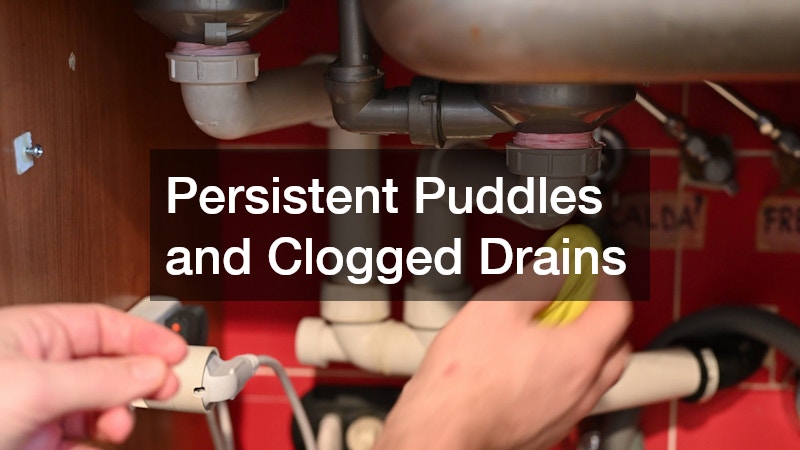
When you see water where it shouldn’t be, time is of the essence. In the automotive world, a fluid leak usually means a trip to the mechanic. In your home, a slow drain or a backup often requires an emergency plumber. You might think a small drip under the sink isn’t a big deal, but water is incredibly destructive. It can rot wood, create mold, and even damage your home’s foundation.
If you hear gurgling sounds coming from your pipes, it’s a sign that air is trapped, often due to a blockage deep in the line. This isn’t just a nuisance; it can lead to a total sewage backup. Just as you wouldn’t ignore a leaking radiator, you shouldn’t ignore a plumbing issue.
- Sewer Backups: If multiple drains are clogged at once, the main line is likely blocked.
- Low Water Pressure: This could indicate a hidden leak behind a wall or a burst pipe in the yard.
- Wet Spots on Floors: If you find damp carpet or warped wood near a bathroom, the “pipes” of your home are failing.
2. Missing Shingles and Dark Ceiling Spots
Your roof is the first line of defense against the elements. If you notice shingles lying in your yard after a storm, you need a roof repair immediately. A tiny hole in your roof is like a tiny hole in a car’s convertible top—eventually, the interior is going to get ruined. Once water gets past the shingles, it hits the wooden decking and insulation.
Wet insulation doesn’t just lose its ability to keep your home warm; it becomes a breeding ground for black mold. Look for “tea-colored” stains on your ceiling. These are the tell-tale signs that water is finding its way into your living space.
- Granules in the Gutters: If your gutters look like they are full of sand, your shingles are reaching the end of their life.
- Curling Shingles: This happens when heat from the attic bakes the shingles from underneath, making them brittle.
- Daylight in the Attic: If you can see the sun peeking through the boards in your attic, rain is definitely getting in.
3. Cramped Spaces and Outdated Layouts
Sometimes the sign isn’t a “breakdown” but a lack of function. If you find that two people can’t stand in your cooking area at the same time, it might be time for kitchen renovations. A kitchen is the “engine room” of the home. If the layout is inefficient, the whole house feels slow and frustrating.
Modern homes require more outlets for gadgets and better flow for entertaining. If your cabinets are falling off their hinges or your counters are burnt and scratched, the “aesthetic health” of your home is declining. Investing in your kitchen is like upgrading the interior of a classic car; it makes the experience better and raises the value significantly.
- Lack of Counter Space: This leads to clutter and makes cooking feel like a chore rather than a joy.
- Poor Lighting: If you are chopping vegetables in the dark, your kitchen is failing its primary job.
- Old Cabinetry: If the wood is soft or the drawers don’t slide, the structure is failing.
4. Overgrown Trees and Poor Drainage

The area around your home, or the “curb appeal,” is like the paint job on a car. If it looks bad, people assume the inside is bad too. If your trees are touching your power lines or your lawn is sloped toward your foundation, you need a landscaping service. Water should always flow away from your house. If you see “rivers” forming in your yard during a rainstorm, that water is heading for your basement.
Large trees with branches hanging over the roof are a major hazard. During a windstorm, those branches act like hammers against your shingles. Proper landscaping keeps the “chassis” of your home dry and safe.
- Tree Limbs Over the House: These can fall and cause thousands in damage during a summer storm.
- Pooling Water: If your lawn stays soggy for days after rain, your soil isn’t draining correctly.
- Invasive Roots: Some trees have roots that can actually crack your plumbing or foundation.
5. Uneven Temperatures and Rising Bills
If one room is an ice box and the other is a sauna, your climate control system is struggling. This often means it is time for a new hvac installation. Old units have to run longer and harder to reach the temperature you want. This is like driving a car with a broken thermostat; it wastes fuel and puts a lot of stress on the motor.
A modern HVAC system is much more efficient than one from ten or fifteen years ago. If you hear loud banging or grinding noises when the heat kicks on, the mechanical parts are reaching their breaking point.
- Frequent Cycling: If the system turns on and off every few minutes, it is “short-cycling” and wasting energy.
- Dust Accumulation: A failing system stops filtering air properly, leading to more dust on your furniture.
- Sky-High Utility Bills: If your gas or electric bill has doubled without a change in weather, the system is failing.
6. Lukewarm Showers and Rusty Water
There is nothing worse than a cold shower in the morning. Your water heater is a silent worker, but it has a limited lifespan—usually 8 to 12 years. If you notice a “rotten egg” smell or see orange-tinted water, the inside of your tank is likely rusting away.
Think of this like a car’s fuel tank. If it gets filled with rust and sediment, the car won’t run right. In a water heater, sediment settles at the bottom and hardens. This creates a barrier between the burner and the water, making the heater work twice as hard to do the same job.
- Popping Noises: This is the sound of steam bubbles escaping through layers of sediment at the bottom of the tank.
- Moisture at the Base: Any water pooling around the heater is a sign of a slow leak that will eventually turn into a flood.
- Age of the Unit: Check the sticker on the side; if it was installed over a decade ago, you are on “borrowed time.”
7. Strange Noises and Performance Failures
When your dishwasher starts screaming or your dryer takes three cycles to dry a load of jeans, you are in need of appliance repairs. We rely on these machines to keep our lives running smoothly. When they fail, it creates a “logjam” in our daily routine.
In a vehicle, we listen for “knocks” or “pings” to tell us a belt is loose or a bearing is bad. Appliances are the same. A squealing washing machine usually just needs a new belt, which is a cheap fix compared to buying a whole new unit.
- The Refrigerator Hum: If your fridge is constantly humming loudly, the compressor is working overtime to stay cool.
- Oven Temperature Fluctuations: If your cakes are burning on the outside and raw on the inside, the heating element is dying.
- Dishwasher Leaks: Small puddles in front of the machine mean the door seal is dry and cracked.
8. Peeling Paint and Cracked Drywall
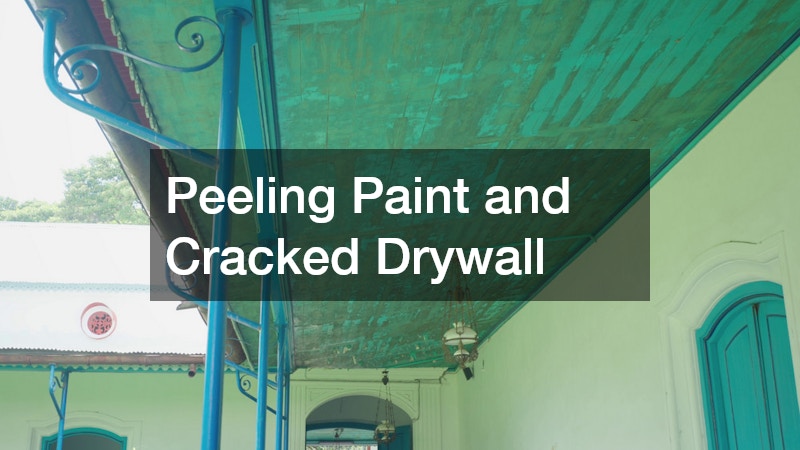
The walls of your home do more than just hold up pictures. They protect the structure. If you see long, diagonal cracks above doors or windows, your house might be shifting. This is when you should call an interior contractor. While some small cracks are just “settling,” large ones can mean the “frame” of your house is in trouble.
Peeling paint isn’t just ugly; it means the protective layer is gone. In the car world, if the clear coat peels, the metal underneath starts to rust. In a home, if the paint peels, the drywall or wood underneath can absorb moisture and rot.
- Popped Nails: If you see small circles pushing out of your drywall, the studs are moving or the house is shifting.
- Sticky Doors: When doors suddenly won’t close properly, it often means the door frame is no longer square due to movement.
- Wall Discoloration: Yellow or brown spots on the wall almost always point to a leak behind the scenes.
9. Weak Airflow and Strange Smells
As summer approaches, the last thing you want is for your cooling system to quit. Regular air conditioning maintenance is the best way to prevent a mid-July breakdown. If the air coming out of your vents feels “heavy” or smells like mildew, your coils are likely dirty or your drain line is clogged.
This is exactly like changing the cabin air filter in your car. If the filter is clogged, the AC can’t breathe. This makes the “engine” of your AC work too hard, which can lead to a burnt-out motor. A simple cleaning can keep things running icy cold.
- Frozen Coils: If you see ice on the outdoor unit, your system isn’t breathing right and needs a pro immediately.
- Strange Odors: A “dirty sock” smell usually means bacteria or mold is growing on the indoor cooling coils.
- Vibration: If the outdoor fan is shaking, it could be out of balance and ready to break.
10. Dated Colors and Bad Workflow
A house that looks like it belongs in the 1970s often feels like it drives like an old truck. If you are tired of looking at orange carpet or wood paneling, you need a professional kitchen design. The kitchen is where we spend 60% of our time at home. It should be a place of inspiration, not a place that reminds you of your grandmother’s house.
Good design is about more than just colors. It is about the “work triangle”—the path between the sink, the fridge, and the stove. If this path is blocked or too long, your kitchen is poorly designed. Upgrading the design is like giving your daily driver a “restomod” treatment: classic looks with modern performance.
- Inefficient Layout: If you have to walk across the room to get from the stove to the trash can, your layout is broken.
- Clashing Materials: Granite counters with old plastic cabinets create a visual “misfire” that hurts resale value.
- Lack of Storage: If your counters are covered in appliances, you don’t have enough cabinet space.
11. Drafty Windows and High Energy Waste
If you can feel a breeze sitting on your couch with the windows closed, you have a problem. Windows are the “windshield” of your home. If they are cracked or the seals are broken, you are literally throwing money out the window. Double-pane windows have a layer of gas between the glass to keep heat in or out. If that gas escapes (you’ll see fog between the panes), the window is useless.
Poor windows force your heater to run constantly. It’s like driving with the windows down in the winter; you can turn the heater all the way up, but you’ll never stay truly warm. Replacing or repairing these helps the “aerodynamics” of your home’s energy use.
- Foggy Glass: Condensation between the panes means the factory seal has failed.
- Rotted Sills: If the wood at the bottom of the window is soft, water is getting into the walls.
- Hard to Open: Windows that stick are often warped or have been painted shut, which is a major fire safety risk.
12. Sagging Floors and Foundation Cracks
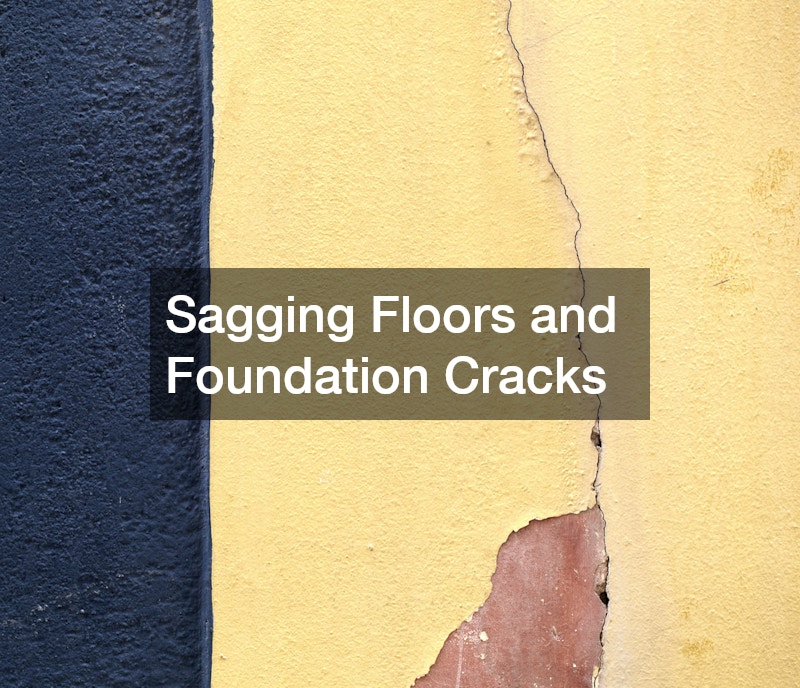
This is the “frame” of your house. If the floors feel like a trampoline when you walk across them, the joists underneath are weak. Cracks in the basement walls that are wider than a pencil are a major red flag. Just as a bent frame makes a car dangerous to drive, a bad foundation makes a house dangerous to live in.
Groundwater is the biggest enemy of a foundation. If your gutters are clogged, the water falls straight down and “pushes” against the basement walls. Over time, this pressure causes the walls to bow inward. Catching this early is the difference between a small repair and a $50,000 foundation replacement.
- Step-Pattern Cracks: Cracks that look like stairs in your brick or block walls mean the house is settling unevenly.
- Horizontal Cracks: These are the most dangerous. They mean the soil pressure is literally pushing your wall over.
- Gaps at the Ceiling: If the walls are pulling away from the ceiling, the whole structure is shifting.
The Importance of the “Maintenance Mindset”
In the automotive world, we know that an oil change is cheaper than a new engine. In the world of homeownership, air conditioning maintenance and roof repair are your “oil changes.” By spending a few hundred dollars a year on inspections and small fixes, you avoid the five-figure disasters that keep people awake at night.
When you look at your home, don’t just see a place to sleep. See it as a complex machine. Every system—plumbing, electrical, heating, and structure—needs to work together. If one part fails, it puts pressure on the others. A leaking roof leads to mold, which leads to health issues and expensive interior contractor work. A failing water heater can burst and ruin your kitchen renovations.
Tips for Staying Ahead of Repairs
- The Seasonal Walkthrough: Every spring and fall, walk around the outside of your house. Look for loose trim, cracks, or signs of pests.
- Keep a Home Log: Just like a car’s service manual, keep a notebook of when things were fixed and who did the work. This is a huge selling point when you go to move.
- Budget for the Unexpected: Experts recommend saving 1% of your home’s value every year for repairs. If your home is worth $300,000, try to have $3,000 ready for that emergency plumber or appliance repairs.
Final Thoughts on Home Care
Your home is likely your biggest investment. Treat it with the same respect you would give a luxury vehicle. Listen to the “noises” it makes, watch for the “leaks,” and don’t be afraid to call in the experts when things feel off. Whether you are looking at a full kitchen design or just a simple hvac installation, the goal is the same: a safe, efficient, and happy place to live.
By staying proactive, you can ensure that your home remains a source of joy rather than a source of stress. Take a walk around your property today and look for these twelve signs. Catching one of them early could be the best financial move you make all year.
