
Outdoor spaces can have a major impact on how comfortable, functional, and attractive a home feels. A well-planned yard can create more room for relaxing, entertaining, dining, recreation, and everyday family life without changing the interior footprint of the house.
The most valuable outdoor improvements usually do more than look good. They make the property easier to use, safer to move through, simpler to maintain, or better suited to the local climate. That may mean improving shade, adding a more comfortable gathering area, maintaining a pool, upgrading lighting, or correcting landscaping problems before they become more expensive.
Before starting a large project, think about how you actually use the property. A dramatic backyard feature may be less valuable than better privacy, more usable seating, improved drainage, or safer walkways if those are the things that affect your daily life.
It also helps to think in phases. Address maintenance and safety first, improve functionality second, and add decorative elements once the basics are in good condition. That approach can help you spend more intentionally while creating an outdoor space that supports both everyday enjoyment and long-term property value.
Improve Shade, Safety, and the Health of Your Landscape
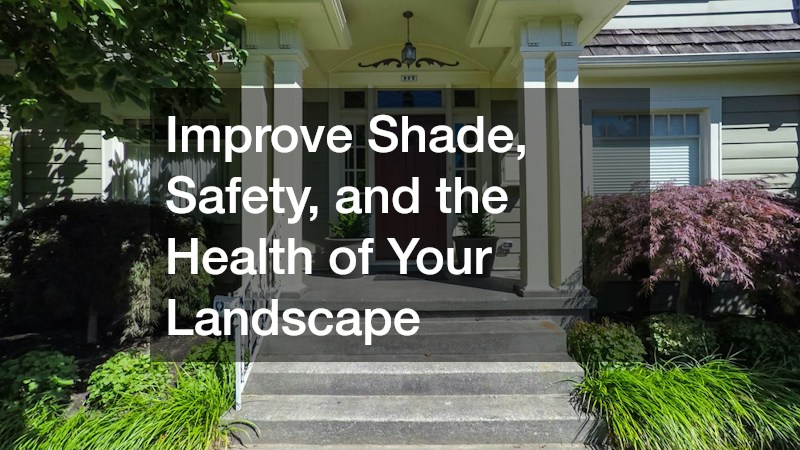
Mature trees can be some of the most valuable features in a yard. They provide shade, create privacy, soften views, and give a property a more established appearance. At the same time, neglected or poorly placed trees can create concerns around roofs, walkways, utilities, and other structures.
Start by evaluating the trees already on the property before investing in new landscaping.
Look for signs such as:
- Dead or hanging branches
- Significant leaning
- Cracks in major limbs
- Hollow or decaying areas
- Roots lifting patios or walkways
- Branches rubbing against the roof
- Storm damage
- Trees growing too close to structures
A local tree service can help determine whether a tree needs pruning, treatment, monitoring, or removal. In many cases, selective pruning may be enough to reduce hazards while preserving the shade and character the tree provides.
Removing healthy trees unnecessarily can make a yard hotter, less private, and more exposed. On the other hand, keeping a severely damaged or unstable tree simply because it provides shade may create bigger problems later.
Tree removal companies may be appropriate when a tree is dead, structurally compromised, badly damaged by weather, or located where its roots or branches are creating ongoing problems.
Think about what happens after removal as well. Taking out a large tree may change:
- Sun exposure
- Lawn growth
- Drainage
- Privacy
- Views
- Wind exposure
- Temperature around patios and windows
If a tree is removed, consider whether a replacement should be planted elsewhere. Choose species based on mature size rather than how small they look at the nursery.
Landscape improvements should support the home, not crowd it. Keep large plants away from siding, rooflines, utility equipment, and walkways, and leave enough room for future growth.
A healthy, well-maintained landscape often adds more value than one filled with excessive plantings that require constant attention.
Make Outdoor Spaces More Comfortable and Usable
Outdoor areas become more valuable when they can be used comfortably for more than a few ideal-weather days each year.
Start with the spaces you already have. A porch, patio, or deck may not need a complete redesign. Sometimes improving shade, airflow, protection from insects, or furniture layout can make the area far more useful.
A porch enclosure can help turn an exposed sitting area into a more comfortable transition between indoors and outdoors. Depending on the design, screening can reduce insects and debris while still allowing airflow, while more substantial enclosures may provide additional weather protection.
Before enclosing anything, consider:
- How much natural light you want to preserve
- Existing roof coverage
- Ventilation
- Drainage
- Door placement
- Views from inside the home
- Furniture layout
- Local permit requirements
Try not to make the space feel closed off if the original appeal came from its openness.
Relaxation features can also add daily enjoyment when they fit the property and lifestyle.
A spa, for example, may work well near a patio or private seating area, but placement matters. A spa company can help with questions involving electrical requirements, access, foundation needs, water care, and maintenance.
Before adding a major feature, think about how people will move around it. Leave enough space for:
- Steps and access panels
- Seating
- Towel or accessory storage
- Safety clearance
- Maintenance
- Privacy screening
Avoid crowding the yard with too many separate features. One well-designed seating zone often feels more useful than several small areas competing for space.
It can help to define outdoor zones based on purpose:
- Dining: Near the kitchen or grill.
- Relaxing: In a shaded or private area.
- Entertaining: With room for larger groups.
- Play: Away from grills, pools, and fragile landscaping.
- Quiet space: Separated from high-traffic areas.
Comfort should guide the layout. Shade, breeze, noise, privacy, and afternoon sun can influence whether a beautiful space actually gets used.
Upgrade Pools for Recreation, Safety, and Lower Maintenance
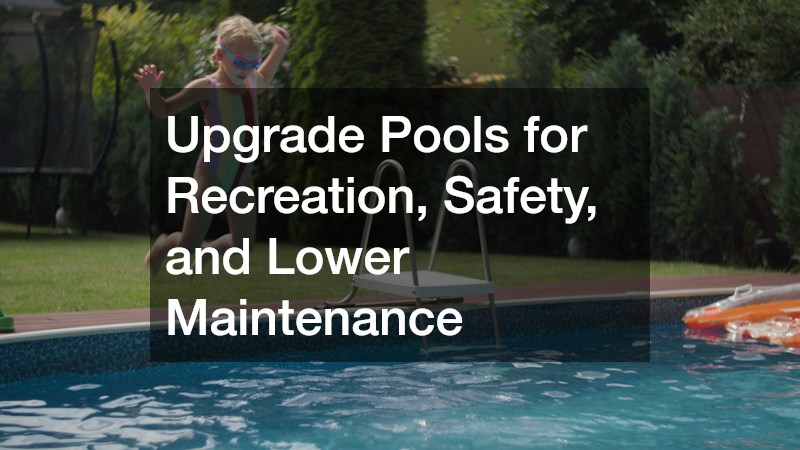
A pool can become the centerpiece of a backyard, but the best designs consider more than the water itself.
Before construction, think about how the pool will relate to the rest of the property. Size, shape, depth, decking, seating, landscaping, and sun exposure should all work together.
A local custom pool builder can help create a design based on the yard rather than forcing a standard shape into the available space.
Consider questions such as:
- Where will people sit when they aren’t swimming?
- Is there enough room to walk safely around the pool?
- Where will equipment be located?
- How much shade is available?
- Will landscaping drop large amounts of debris into the water?
- Where will towels, toys, and maintenance supplies be stored?
- How will the pool look from inside the house?
Decking deserves careful attention. Too little deck space can make a pool feel cramped, while an oversized hardscape may make the yard feel harsh or reduce usable green space.
Think about surface temperature and slip resistance as well. Some materials can become uncomfortable in direct sunlight.
Pool covers are another practical consideration. Local pool cover services can help with measuring, installation, replacement, and maintenance of covers designed for a specific pool.
Depending on the type, covers may help reduce debris, slow evaporation, limit heat loss, and make routine maintenance easier. Some designs may also add another layer of protection when the pool isn’t being used.
A cover should never replace appropriate barriers, supervision, and other safety practices, but it can be part of a broader maintenance and safety plan.
Before adding a pool, budget beyond construction.
Ongoing costs may include:
- Water
- Chemicals
- Electricity
- Cleaning
- Equipment servicing
- Surface maintenance
- Cover replacement
- Repairs
A pool adds the most value when it fits the home, is easy to use, and remains in good condition. A poorly planned pool that consumes the entire yard or requires constant repair may be less appealing than a smaller, more thoughtfully designed one.
Maintain Major Outdoor Features Before Replacing Them
Outdoor improvements can become expensive quickly, so it’s worth determining whether existing features can be repaired before replacing them.
Pools are a good example. Cracked finishes, leaks, cloudy water, damaged tile, or equipment problems don’t always mean the entire pool needs renovation.
A Pool repair service provider can help determine whether the issue involves plumbing, pumps, filters, heaters, finishes, or structural components.
Watch for warning signs such as:
- Water level dropping faster than expected
- Equipment cycling unusually
- Reduced circulation
- Persistent cloudy water
- Cracked tile or coping
- Wet soil near plumbing lines
- Unusual pump noises
- Increasing utility use
Small problems can become more expensive when ignored. A leak, for example, may waste water and create damage around surrounding materials if it continues for months.
The same maintenance-first mindset applies to landscaping.
Before spending heavily on new plants, patios, or decorative features, deal with overgrown, damaged, or unsafe trees. Affordable tree services may help with pruning, storm cleanup, deadwood removal, or other routine work that improves the yard without requiring a full redesign.
A few well-targeted maintenance projects can dramatically change how an outdoor space feels.
For example, pruning overgrown branches may:
- Increase sunlight
- Improve views
- Reduce roof debris
- Open space around patios
- Make lawns healthier
- Improve access through the yard
Create a simple maintenance calendar for major outdoor features.
You might include:
- Spring inspections
- Mid-season equipment checks
- Fall cleanup
- Post-storm inspections
- Winter preparation
- Annual pruning
Regular maintenance also makes budgeting easier because it reduces the chance that several neglected problems need attention at the same time.
When evaluating whether to repair or replace, consider age, condition, maintenance history, repair frequency, and how important the feature is to your daily use.
Sometimes replacement makes sense. But replacing something solely because it looks older can waste money if a simpler repair would restore its function.
Improve Year-Round Access, Visibility, and Safety
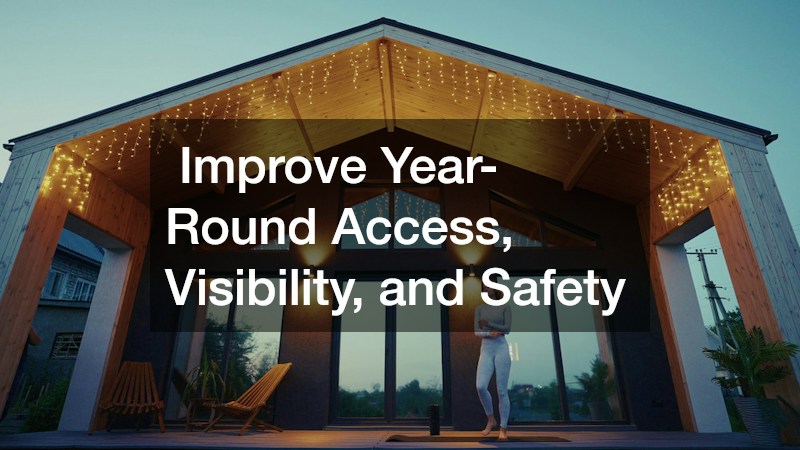
An outdoor area isn’t very useful if it becomes difficult to move through after dark or during seasonal weather.
Lighting is one of the easiest ways to improve both function and appearance.
Good exterior lighting should help people move safely without making the property feel excessively bright. Walkways, stairs, entrances, patios, and changes in elevation deserve particular attention.
An outdoor lighting service can help create layers of illumination rather than relying on one harsh fixture.
Useful lighting categories include:
- Path lighting: Helps define walkways and edges.
- Step lighting: Makes changes in elevation easier to see.
- Entry lighting: Improves visibility around doors and locks.
- Accent lighting: Highlights trees, walls, or architectural features.
- Task lighting: Supports grilling, dining, or work areas.
- Security lighting: Improves visibility around less-used areas.
Aim fixtures carefully so they don’t shine directly into windows or neighboring properties.
Timers, motion sensors, and energy-efficient fixtures can also reduce unnecessary operating time.
Seasonal access deserves planning too.
In cold climates, snow and ice can make driveways, walkways, stairs, and entrances difficult or dangerous to use. Snow removal services may be useful for larger properties, long driveways, steep grades, or homeowners who cannot safely clear heavy snowfall.
Plan winter access before the first storm.
Identify:
- Primary walkways
- Emergency exits
- Mailbox access
- Driveway turnaround areas
- Steps
- Drainage points
- Safe locations for snow storage
Avoid piling snow where melting water will drain across walkways and refreeze.
Deicing products should also be selected carefully. Some products may damage concrete, masonry, plants, or metal surfaces when used excessively.
Year-round usability often comes down to small details. Good lighting, clear paths, safe steps, and seasonal maintenance may not be as visually dramatic as a new pool or patio, but they make the entire outdoor area easier to enjoy.
Create an Outdoor Space That Works for Your Home
The most valuable outdoor improvements are usually the ones that make the property work better, not simply look more impressive.
Start with safety and maintenance. Address unstable trees, damaged surfaces, drainage problems, worn equipment, and other issues that can interfere with daily use. Once those basics are handled, focus on improvements that make the space more comfortable and functional.
Think carefully about how much maintenance you’re willing to take on. A highly detailed landscape, large water feature, or elaborate recreation area may look appealing, but it also requires time and money to keep in good condition.
A phased improvement plan can help you stay focused. Divide projects into immediate maintenance, functional upgrades, and optional lifestyle features. This allows you to improve the property gradually without trying to redesign the entire yard at once.
Durability matters too. Choose materials and features that suit the climate and expected use of the space rather than selecting them only for appearance.
Most importantly, design the yard around how you live. A comfortable seating area that gets used every evening may add more personal value than an oversized feature that looks impressive but rarely serves a purpose.
A thoughtful outdoor space can improve everyday comfort, create more opportunities to spend time outside, strengthen curb appeal, and make the property feel more complete. By combining practical maintenance with well-planned improvements, you can create a yard that supports both your current lifestyle and the long-term value of your home.
