

Flipping a house looks glamorous on television, but the projects that actually make money are rarely the ones with the prettiest countertops. Experienced investors know that the systems hidden behind walls, under floors, and along property lines are what determine whether a flip turns a profit or becomes a money pit. Buyers and their inspectors will always find the issues you tried to hide with paint, so addressing them head-on protects your investment and your reputation.
This guide walks through the boundary and system repairs that matter most, so you can budget wisely and avoid costly surprises.
Property Lines and Fencing Disputes
Before any renovation budget is finalized, confirm the actual property boundaries with a recent survey rather than relying on an old fence line or a neighbor’s word. Boundary disputes can stall a sale for months, and title companies will flag unresolved encroachments during closing. A flip that looks move-in ready can still fall apart if the garage sits six inches over the lot line. Spending a few hundred dollars on a survey early in the project saves far more in legal fees and delayed closings later.
Once boundaries are confirmed, upgrading the perimeter can meaningfully boost curb appeal and buyer confidence. Many flippers now choose vinyl fences over wood because they resist rot, never need repainting, and hold up better against weather extremes during the listing period. A clean, well-installed fence signals to buyers that the yard has defined, private space, which matters a great deal to families and pet owners. Replacing a sagging chain-link fence with a tidy vinyl option is often one of the most visible, cost-effective upgrades on the exterior checklist.
- Order a boundary survey before demolition begins, not after an offer comes in
- Resolve any shared driveway or easement questions with neighbors in writing
- Compare vinyl fences against wood and metal for long-term maintenance costs
- Check local HOA rules on fence height and style before installing anything
- Keep survey documents and fence permits in the closing file for buyers
Roof Condition and Water Intrusion
Nothing kills a flip’s momentum faster than a failed roof inspection discovered after the home is already under contract. Water stains in the attic, curling shingles, and soft spots around chimneys are red flags that experienced buyers and their inspectors look for immediately. A roof that is patched instead of properly repaired will almost always resurface as a negotiation point, often costing more in last-minute concessions than it would have cost to fix upfront. Getting ahead of roof problems protects both your timeline and your profit margin.
Getting quotes from a few established roofing companies early in the renovation process gives you a realistic number to build into your budget instead of guessing. Full replacement isn’t always necessary; sometimes a licensed inspection reveals that only flashing, underlayment, or a section of shingles needs attention. Ask for a written estimate that separates labor from materials so you can compare bids accurately. A documented, professional roof repair also becomes a selling point you can highlight in the listing, since buyers feel reassured knowing the work wasn’t done by an unlicensed crew.
- Get at least two independent roof inspections before finalizing your renovation budget
- Ask roofing companies for warranty details on both materials and labor
- Check attic insulation and ventilation while the roof is already open
- Document any repairs with photos and receipts for the buyer’s disclosure packet
- Prioritize roof work before interior finishes to avoid water damage to new materials
Plumbing Lines and Water Pressure
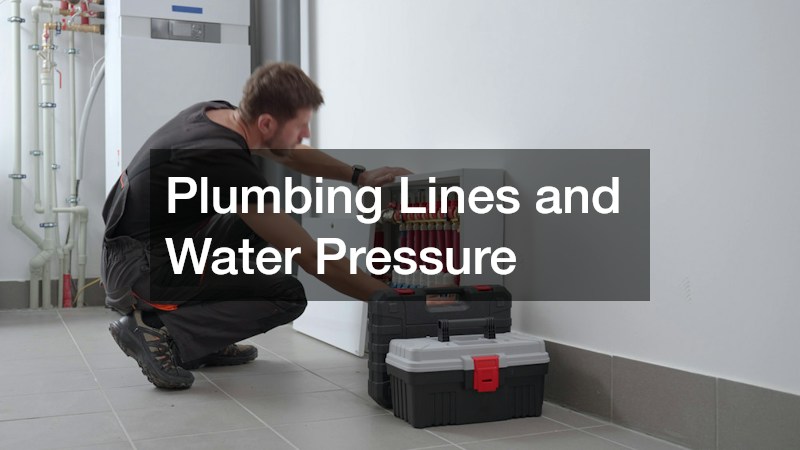
Old galvanized pipes, slow drains, and weak water pressure are the kind of issues that seem minor during a walkthrough but become deal-breakers once an inspector runs water through every fixture. A flip with beautifully renovated bathrooms loses credibility fast if the toilet barely flushes or the shower trickles. Bringing in a licensed plumber early lets you assess the condition of supply lines, the water heater, and the sewer line before finishes go in, rather than after tile and drywall make access expensive.
Sewer line scopes are especially important in older homes, since root intrusion or collapsed clay pipe can cost thousands to fix and is invisible without a camera inspection. It’s far better to discover a cracked sewer line while the yard is already torn up for landscaping than after a buyer’s inspector finds it. A thorough plumbing assessment also catches smaller issues, like corroded shutoff valves or missing pressure regulators, that are cheap to fix now but expensive to negotiate later. Addressing these details upfront builds buyer trust and reduces the odds of a repair request derailing closing.
- Request a sewer line camera scope on homes built before 1980
- Replace corroded shutoff valves and supply lines during the renovation, not after
- Test water pressure at multiple fixtures, not just the kitchen sink
- Confirm the water heater size matches the home’s bedroom and bathroom count
- Keep all plumbing permits and inspection reports for the buyer’s file
Electrical Panels and Wiring Safety
An outdated electrical panel is one of the fastest ways to lose buyer confidence, especially since many lenders now require updated panels before approving a mortgage on an older home. Federal Pacific and Zinsco panels, in particular, are known fire hazards that insurance companies may refuse to cover, which can quietly kill a sale weeks after an accepted offer. Replacing the panel and verifying that circuits are properly labeled and grounded is one of the most important safety upgrades in any flip. It also reassures buyers that the home can safely support modern appliances and electronics.
Beyond the panel itself, check for outdated wiring types like knob-and-tube or aluminum, both of which raise red flags during inspection and insurance underwriting. Adding GFCI outlets in kitchens, bathrooms, and exterior spaces is a relatively inexpensive upgrade that meets current code and signals attention to detail. Smoke and carbon monoxide detectors should be hardwired and interconnected wherever local code requires it. These updates rarely show up in listing photos, but they matter enormously to appraisers and inspectors.
- Confirm panel capacity supports central air, modern kitchens, and EV charging if relevant
- Replace any remaining aluminum or knob-and-tube wiring in living spaces
- Add GFCI and AFCI protection where current code requires it
- Keep electrical permits visible for buyers and appraisers to review
- Label breakers clearly to help future homeowners and inspectors
HVAC Efficiency and System Age
A furnace or air conditioner nearing the end of its lifespan is another system that can quietly sabotage a flip’s timeline. Buyers increasingly ask for the age of the HVAC system during negotiations, and a unit over fifteen years old often triggers requests for a credit or warranty. Rather than waiting for that conversation, it’s usually smarter to replace or service the system proactively and include documentation of the work. A properly sized, efficient system also helps the home show better during showings, since consistent temperature and humidity control make rooms feel more comfortable.
Ductwork condition matters just as much as the equipment itself, since leaky or undersized ducts can make even a brand-new unit perform poorly. Sealing duct joints, adding insulation in unconditioned spaces, and replacing a dirty filter before showings are small steps that improve air quality and efficiency. A programmable or smart thermostat is a low-cost addition that buyers notice immediately and appreciate for the energy savings it promises. These details help position the home as low-maintenance, which is exactly what most buyers are hoping to find.
- Have the HVAC system serviced and tagged with a service date before listing
- Seal and insulate accessible ductwork in attics and crawl spaces
- Replace filters and clean vents before every showing
- Install a smart thermostat as an affordable, visible upgrade
- Disclose the system’s age and any warranty transfer details to buyers
Conclusion
The flips that consistently perform well are the ones where boundaries are confirmed, major systems are inspected honestly, and repairs are documented rather than hidden. Skipping these steps might save time in the short term, but it almost always costs more once a buyer’s inspector starts asking questions. Take the time to verify property lines, assess the roof, plumbing, electrical, and HVAC systems before finishes go in, and keep thorough records of every repair. Doing so protects your margin and gives buyers the confidence they need to move forward without hesitation.
