

Moving into a new home is an exciting milestone, but it also comes with a long list of responsibilities that can feel overwhelming at first. Even homes that appear move-in ready often have hidden issues or deferred maintenance that should be addressed early. Tackling essential repairs soon after moving in helps create a safer, more comfortable living environment and prevents small problems from turning into expensive repairs later.
The early weeks in a new home provide a valuable opportunity to evaluate how everything functions before daily routines fully set in. Systems such as electrical, plumbing, and exterior components may behave differently once the home is occupied. Addressing repairs during this stage allows homeowners to work more efficiently, avoid disruptions, and make improvements before furniture and belongings fill the space.
Prioritizing repairs also helps establish a long-term maintenance mindset. Rather than reacting to issues as they arise, homeowners can take a proactive approach that supports durability and peace of mind. This planning stage sets the tone for responsible ownership and helps protect the investment made in the property.
By approaching repairs methodically and understanding which tasks matter most early on, homeowners can transition more smoothly into their new space.

Assessing the Home’s Overall Condition
The first step after moving into a new home is gaining a clear understanding of its overall condition. This means looking beyond surface-level features and taking note of how the home functions as a whole. Walls, ceilings, floors, and structural elements should be examined for signs of wear, moisture issues, or previous repairs that may need follow-up attention.
A thorough assessment helps homeowners identify immediate concerns as well as areas that may require attention in the near future. This process creates a realistic picture of what needs to be addressed now versus what can be scheduled later. Taking notes, photos, and measurements during this stage can help guide planning and budgeting decisions.
Considering home design during the assessment phase allows homeowners to evaluate whether the current layout supports daily routines and long-term needs. Understanding how spaces flow, how storage is used, and where improvements could enhance functionality helps connect repairs to future upgrades. Design awareness ensures that fixes align with how the home will actually be used.
Assessing the home’s condition early supports informed decision-making. When homeowners understand the full scope of their property, repairs can be prioritized logically, reducing stress and avoiding rushed choices that may not serve long-term goals.
Addressing Immediate Safety Concerns
Safety should always be the top priority when settling into a new home. Certain issues require immediate attention to protect occupants from potential hazards. These may include loose handrails, damaged steps, faulty locks, or exposed wiring that could pose risks if left unaddressed.
Conducting a safety walkthrough helps identify areas that need prompt repair. Doors and windows should close and lock properly, stairways should feel stable, and walkways should be clear of tripping hazards. Addressing these concerns early helps create a secure environment and reduces the risk of accidents during the move-in process.
Coordination during this phase is especially important, as repairs often occur alongside unpacking and furniture placement. Working around belongings can slow progress and increase frustration. Planning safety repairs while coordinating schedules with a moving company helps streamline the transition and minimizes disruptions.
Taking care of safety-related repairs early provides peace of mind and allows homeowners to focus on settling in rather than worrying about preventable hazards. Once these issues are resolved, the home feels more secure, making it easier to enjoy the space and move forward with additional repairs and improvements.
Updating Electrical and Lighting Systems
Electrical and lighting systems are essential to how a home functions day to day. After moving in, it is important to evaluate whether outlets, switches, and fixtures operate reliably and support modern usage needs. Older homes may not be equipped to handle today’s appliances, devices, and lighting preferences, which can lead to overloaded circuits or inconsistent performance.
A walkthrough of the home can reveal issues such as flickering lights, outdated fixtures, or insufficient outlets in high-use areas. These concerns affect both convenience and safety. Addressing electrical updates early allows homeowners to make improvements before walls are decorated or furniture is fully arranged, reducing disruption later.
Lighting also plays a role in comfort and usability. Well-lit spaces improve visibility, support productivity, and enhance overall atmosphere. Kitchens, hallways, and entry points often benefit from brighter or more strategically placed lighting. Evaluating these needs early helps align repairs with long-term living patterns rather than short-term fixes.
Although electrical systems are separate from climate control, coordination with ac services can be helpful when upgrades affect power loads or system efficiency. Ensuring that electrical capacity supports heating and cooling equipment helps avoid strain on circuits. Addressing electrical and lighting needs early creates a safer, more functional environment and supports smoother long-term home performance.

Inspecting Plumbing and Water Lines
Plumbing systems are another critical area to review soon after moving into a new home. Even minor leaks or drainage issues can lead to water damage, mold growth, and costly repairs if left unresolved. Inspecting visible pipes, fixtures, and water pressure provides early insight into the system’s condition.
Homeowners should check under sinks, around toilets, and near water heaters for signs of moisture or corrosion. Slow drains, unusual noises, or inconsistent water pressure may indicate deeper issues within the system. Identifying these problems early allows for timely intervention before damage spreads.
Plumbing inspections also help homeowners understand the age and material of pipes, which can influence maintenance planning. Older materials may require closer monitoring or future upgrades. Understanding how water flows through the home helps prioritize repairs and supports more informed decisions about renovations or appliance replacements.
Addressing plumbing repairs promptly helps protect structural elements and maintain indoor comfort. Water-related issues tend to worsen over time, making early attention especially valuable. By inspecting plumbing systems soon after moving in, homeowners reduce the risk of unexpected disruptions and create a more reliable foundation for daily living.
Evaluating Heating and Cooling Performance
Heating and cooling systems have a direct impact on comfort, energy efficiency, and indoor air quality. After moving in, homeowners should observe how well the home maintains temperature throughout different rooms. Uneven heating or cooling may indicate airflow issues, insulation gaps, or aging equipment.
Monitoring system performance over the first few weeks helps reveal patterns. Rooms that remain too warm or too cool, frequent cycling, or unusual noises can signal the need for attention. Addressing these concerns early helps prevent higher energy bills and improves overall comfort during seasonal changes.
Evaluating heating and cooling also involves understanding how these systems interact with other home components. Ductwork, ventilation, and insulation all influence performance. A comprehensive evaluation allows homeowners to identify whether adjustments or repairs are needed to support consistent temperature control.
In homes with private waste systems, coordination with septic tank installers may be necessary when evaluating overall system performance and airflow around mechanical areas. While heating and cooling are separate systems, their placement and ventilation can affect how other components function. Reviewing heating and cooling early supports energy efficiency, comfort, and long-term reliability throughout the home.
Checking Roofing and Exterior Protection
The exterior of a home plays a critical role in protecting everything inside. Shortly after moving in, homeowners should take time to assess the condition of the roof and exterior surfaces to confirm they are providing adequate protection from weather and environmental exposure. Issues such as missing shingles, visible wear, or damaged flashing can lead to leaks and interior damage if not addressed promptly.
A visual inspection from the ground can reveal obvious concerns, but subtle issues may not be immediately noticeable. Water stains near ceilings, drafts, or inconsistent indoor temperatures can sometimes point to exterior vulnerabilities. Addressing these concerns early helps prevent moisture intrusion, insulation problems, and long-term structural damage.
Working with roofing contractors allows homeowners to better understand the condition of the roof and identify any repairs or maintenance needs. Professional assessments help clarify whether issues are minor or if larger updates should be planned. Addressing roofing concerns early provides peace of mind and reduces the risk of unexpected problems during storms or seasonal weather changes.
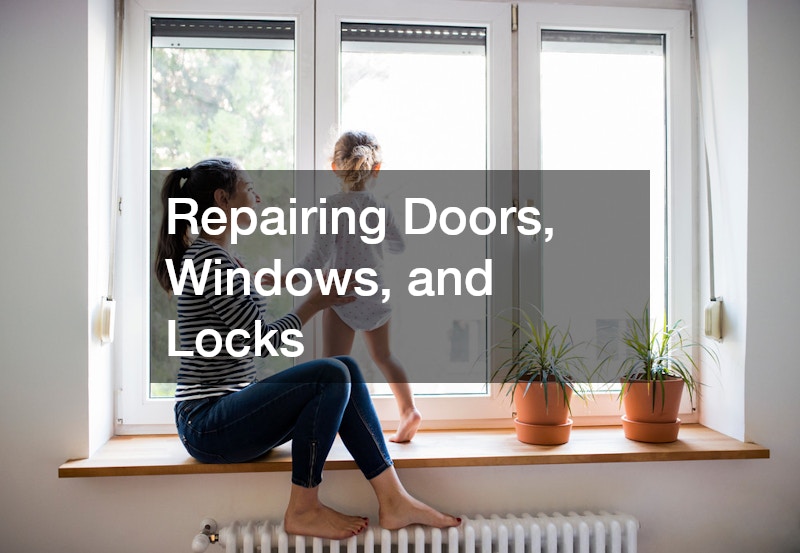
Repairing Doors, Windows, and Locks
Doors, windows, and locks are essential for both security and energy efficiency. After moving into a new home, it is important to confirm that all entry points function properly and provide a secure seal. Doors should open and close smoothly, locks should engage securely, and windows should seal tightly without drafts.
Issues in these areas can lead to heat loss, increased energy costs, and security concerns. Gaps around frames, broken latches, or damaged seals may seem minor but can affect comfort and safety over time. Addressing these problems early helps maintain consistent indoor temperatures and provides peace of mind.
Exterior elements often connect directly to door and window performance. Consulting siding contractors can help ensure that surrounding materials are properly aligned and sealed. Proper siding installation supports weather resistance and helps prevent moisture from entering around openings.
Refreshing Interior Surfaces and Finishes
Interior surfaces play a major role in how a home looks and feels. Walls, floors, and finishes often show wear from previous occupants, even in well-maintained homes. Refreshing these surfaces early helps create a clean, welcoming environment and allows homeowners to personalize the space.
Common updates include repainting walls, repairing trim, and addressing worn flooring. These improvements not only enhance appearance but also make the home feel more settled and comfortable. Tackling interior updates before fully unpacking can simplify the process and prevent damage to furniture and belongings.
Flooring is often a priority when refreshing interior finishes. Hiring carpet cleaners helps remove deep-set dirt, allergens, and odors left behind by previous occupants. Professional cleaning can restore the appearance of carpets and extend their lifespan, making the home feel fresher without immediate replacement.
Refreshing interior surfaces helps transform a house into a personal living space. These updates improve comfort, support cleanliness, and make it easier for homeowners to settle in and enjoy their new home.
Improving Flooring and High-Traffic Areas
High-traffic areas experience the most wear in any home, making them an important focus after moving in. Entryways, hallways, and frequently used rooms often show signs of scuffing, uneven surfaces, or aging materials. Addressing these areas early helps improve safety, durability, and overall appearance.
Evaluating flooring condition allows homeowners to determine whether repairs, refinishing, or replacements are needed. Cracks, loose tiles, or uneven surfaces can create tripping hazards and detract from comfort. Improving these areas before daily routines become established helps avoid disruptions later.
Outdoor walkways and driveways also affect how people move in and out of the home. Safe, smooth surfaces support accessibility and reduce wear on interior flooring. Coordinating improvements with paving services can help create stable, durable pathways that handle foot traffic and vehicle use more effectively.

Planning Outdoor Improvements
Outdoor spaces contribute significantly to how a home is used and enjoyed. After addressing immediate interior repairs, homeowners can begin planning outdoor updates that enhance usability and appearance. Yards, patios, and exterior features often benefit from early attention, especially if they were neglected by previous occupants.
Outdoor improvements can include repairing walkways, addressing drainage issues, or updating landscaping. These changes improve curb appeal and make outdoor spaces more functional for daily activities and gatherings. Planning upgrades early allows homeowners to align outdoor projects with long-term goals.
A backyard remodel provides an opportunity to create a space that suits lifestyle needs. Whether the focus is relaxation, entertaining, or play, thoughtful planning helps maximize available space. Addressing outdoor repairs early prevents small issues from escalating and supports better long-term maintenance.
Improving outdoor areas helps complete the transition into a new home. Well-maintained exterior spaces extend living areas and create opportunities for enjoyment beyond the interior walls.
Moving into a new home is both exciting and demanding, and addressing essential repairs early helps create a strong foundation for long-term comfort. By evaluating systems, prioritizing safety, and making strategic updates, homeowners can prevent future problems and enjoy greater peace of mind.
Tackling repairs in a structured order allows homeowners to stay organized and make thoughtful decisions. Addressing issues before they worsen reduces stress and protects the value of the property. Early attention to both interior and exterior needs helps ensure the home functions as intended.
