

Owning a home means more than making mortgage payments and decorating rooms the way you like. Behind the walls, under the yard, and above the ceiling, dozens of systems work quietly to keep your house safe, comfortable, and functional. Smart homeowners do not wait for something to break before paying attention to these systems. Instead, they run through a yearly checklist that catches small problems before they become expensive emergencies. This guide walks through the essential systems worth reviewing every single year.
Cooling System Performance and Tune-Ups
Your air conditioning unit works harder than almost any other system in your home, especially during peak summer months. Scheduling routine AC service before the hot season hits can extend the life of your unit by years and keep energy bills from creeping upward. Most manufacturers recommend annual service, ideally in early spring, so any issues surface before you’re relying on the system daily. A technician will check refrigerant levels, clean coils, inspect electrical connections, and confirm the thermostat is communicating properly with the unit. They’ll also measure airflow across the evaporator coil, test capacitors and contactors, and check the condensate drain line for clogs that can lead to water damage or mold growth. Dirty coils alone can reduce cooling efficiency by 5 to 10 percent, which translates directly into higher monthly bills. Don’t overlook the filter between visits. A clogged filter forces the system to work overtime and is one of the most common, easily preventable causes of premature compressor failure. Check it monthly during peak season and swap it out every 60 to 90 days, or more often if you have pets or allergies. Skipping this step often means small inefficiencies pile up unnoticed until the system fails completely, usually on the hottest day of the year when repair crews are booked solid and emergency rates apply.
Beyond routine maintenance, it helps to know the warning signs that call for air conditioning repair rather than a simple tune-up. Strange noises like grinding, squealing, or clicking often point to worn belts, failing motors, or loose components that won’t resolve on their own. Weak airflow can signal a clogged filter, a failing blower motor, or ductwork problems, while warm air blowing from vents may mean a refrigerant leak or a compressor issue that needs professional attention. A sudden spike in your electric bill, especially one that isn’t tied to a heat wave or longer run times, is another red flag worth investigating. Ice forming on the refrigerant lines, water pooling near the indoor unit, or a system that cycles on and off more frequently than usual are additional signs something is off. Even a musty smell from the vents can indicate mold growth inside the ductwork or evaporator coil. Waiting too long to address these issues can turn a minor repair into a full system replacement. A unit that’s constantly cycling or struggling to maintain temperature also works harder than it should, which shortens its lifespan and drives up energy costs month after month. Catching problems early, ideally before the peak of summer, gives you more time to schedule repairs without rushing into an emergency replacement during the hottest days of the year.
- Replace or clean air filters every one to three months, checking monthly during peak summer use
- Keep outdoor condenser units clear of leaves, grass clippings, and debris, with at least two feet of clearance on all sides
- Schedule a professional tune-up each spring to check refrigerant levels, electrical connections, and coolant lines before heavy use begins
- Clean condenser coils annually, since dirty coils can reduce efficiency by up to 30 percent
- Listen for grinding, rattling, or clicking sounds during operation, which often signal loose parts or motor issues
- Check that indoor vents and registers are open and unobstructed by furniture or rugs
- Monitor humidity levels inside the home, aiming for 30 to 50 percent, since spikes can signal inefficiency or drainage problems
- Inspect the condensate drain line for clogs that can cause water damage or shut down the system entirely
Choosing Reliable Heating and Cooling Professionals

Not all HVAC businesses offer the same level of expertise, pricing transparency, or responsiveness. Comparing AC companies once a year, even if you are not currently having problems, helps you build a relationship with a trusted provider before an emergency hits. Look for businesses with verified licensing, strong local reviews, and clear warranty terms on both labor and parts.
It also pays to ask potential providers about their response times during peak season, since summer breakdowns tend to cluster and availability can get tight. A company that communicates clearly about pricing upfront is usually more trustworthy than one that only provides estimates after a technician arrives. Keeping a shortlist of two or three reputable companies gives you options if your usual provider is booked solid.
- Check for proper state licensing and insurance
- Read recent customer reviews, not just overall star ratings
- Ask about emergency or after-hours availability
- Confirm whether estimates are free or come with a service fee
Septic System Inspection and Maintenance
If your home relies on a septic system rather than municipal sewer service, annual attention is non-negotiable. Scheduling septic tank pumping every three to five years, depending on household size and usage, prevents backups that can damage your yard and your plumbing. Signs that pumping is overdue include slow drains throughout the house, gurgling noises in pipes, or unpleasant odors near the drain field.
Beyond pumping, a yearly visual inspection of the drain field can catch problems early. Soggy patches, unusually green grass, or pooling water are all signs the system may be struggling. Addressing these issues quickly protects both your property value and your family’s health.
- Avoid flushing wipes, grease, or harsh chemicals
- Keep heavy vehicles and structures off the drain field
- Space out laundry loads to avoid overwhelming the system
- Have the tank inspected even if pumping is not yet due
Roof Structure and Covering Assessment

Your roof takes on more wear than almost any other part of your home, absorbing sun, wind, rain, and temperature swings year after year. An annual inspection should look at both the visible covering and the underlying structure, including attic ventilation and insulation. Homes with roof metal decking should have that decking checked for rust, loose fasteners, or signs of moisture intrusion, since metal systems respond differently to temperature changes than traditional wood sheathing.
Catching small issues during a yearly walk-around, or better yet a professional inspection, prevents minor leaks from turning into structural damage. Pay attention to curling shingles, cracked flashing, and granules collecting in gutters, as these are early indicators that materials are aging. A roof in good condition also protects everything underneath it, from insulation to electrical wiring.
- Inspect flashing around chimneys and vents for gaps
- Check attic spaces for signs of water staining
- Look for sagging areas that may indicate structural stress
- Note the age of your current roofing materials for future planning
Working With Roofing Professionals for Long-Term Care
Even the most observant homeowner benefits from a professional set of eyes once a year. Reputable roofing contractors can spot subtle issues that are easy to miss from the ground, such as early rot, pest damage, or improperly sealed seams. They can also give you a realistic timeline for how many years of life remain in your current roof, which helps with budgeting for future replacement.
When selecting a contractor, ask for proof of insurance and a detailed written estimate before any work begins. A trustworthy professional will walk you through their findings with photos or video rather than vague verbal descriptions. This transparency makes it easier to compare quotes if you decide to get a second opinion.
- Request documentation of past project references
- Ask about manufacturer warranties on materials used
- Confirm whether cleanup and debris removal are included
- Get any verbal promises in writing before signing a contract
Gutter and Drainage Performance Around the Home
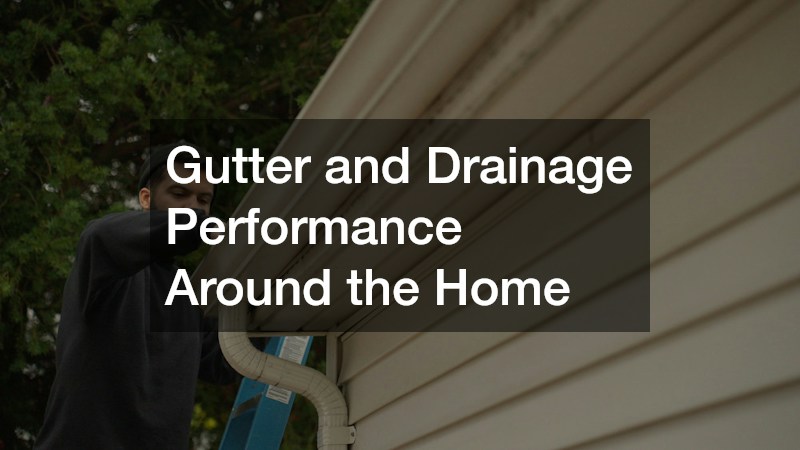
Water management around your home’s exterior is one of the most overlooked yearly maintenance tasks. Clogged gutters can lead to water pooling near your foundation, which over time causes cracking and even basement flooding. Many homeowners are turning to gutter guard installation as a way to reduce the frequency of cleaning while still keeping water flowing away from the roofline efficiently.
Even with guards installed, a yearly visual check ensures nothing has slipped through or become dislodged during storms. Walk the perimeter of your home after a heavy rain to see where water is pooling or overflowing. Addressing these patterns early can save thousands in foundation repair costs down the road.
- Clean gutters at least twice a year even with guards installed
- Check downspouts extend at least three feet from the foundation
- Look for signs of sagging or pulling away from the roofline
- Inspect for rust or cracks in older metal gutter systems
Foundation and Site Grading Considerations
The ground surrounding your home plays a bigger role in its structural health than most people realize. Uneven settling, poor drainage, or soil erosion can create gaps and voids beneath driveways, patios, or foundation footings. Left unchecked, these hidden voids can widen over time, leading to cracked slabs, sagging walkways, or foundation shifts that are far more expensive to fix than the original problem. Once a year, walk the perimeter of your home and check for warning signs: standing water near the foundation 24 hours after rain, soil that pulls away from the foundation wall, or sloping that directs water toward the house instead of away from it. Ideally, the grade should drop about 6 inches over the first 10 feet from your foundation. Cracks wider than a quarter-inch in walkways or slabs are also worth flagging for a professional assessment. In many renovation and repair projects, flowable fill is used to stabilize these areas because it compacts evenly and reduces the risk of future settling compared to traditional backfill materials. Unlike compacted gravel or soil, which can leave uneven pockets if not tamped properly, flowable fill self-levels and hardens into a stable base that supports slabs, footings, and pavement without shifting. It’s also worth noting that flowable fill isn’t a DIY weekend project — it typically requires coordination with a contractor who can batch the mix correctly for your soil conditions and the load the area needs to support. Catching void issues early, before they undermine a driveway or patio slab, is almost always cheaper than waiting for visible cracking or settling to force the issue.
A yearly check of your home’s exterior grading can reveal whether water is being directed away from the structure as intended. The general rule is a slope of at least 6 inches of drop over the first 10 feet from the foundation wall, enough to carry water away without pooling. Walk the full perimeter after a rain and note any spots where puddles linger more than a few hours, since these low points are early warning signs. Look for areas where soil has sunk or pulled away from the foundation wall, since these gaps often allow water to collect and seep inward. Pay close attention near downspouts, patios, and driveways, where runoff concentrates and erosion happens faster. A gap wider than an inch or a visible void along the footing is worth filling with compacted soil right away. While you’re at it, check that downspout extensions carry water at least 4 to 6 feet away from the house, and confirm splash blocks or underground drains haven’t shifted or clogged. Keep an eye on mulch beds too, since piled-up mulch against siding can trap moisture and mimic poor grading even when the slope itself is fine. Addressing grading issues proactively is far less expensive than repairing foundation cracks after the fact. A few wheelbarrows of soil and an afternoon of work can cost under $100, while foundation crack repair or waterproofing can run into the thousands depending on severity.
- Check that ground slopes away from the foundation on all sides, aiming for a drop of at least 6 inches over the first 10 feet
- Fill small gaps or depressions near the foundation promptly with compacted soil, not loose fill that will wash away
- Watch for cracks in driveways or walkways near the home, especially any wider than 1/4 inch or that have shifted vertically
- Monitor for standing water after rainfall near structural areas, noting puddles that linger more than 24 hours
- Inspect downspouts and gutter extensions to confirm they discharge water at least 4-6 feet from the foundation
- Look for efflorescence (white chalky residue) on foundation walls, a sign of moisture intrusion worth tracking over time
- Note any new hairline cracks in the foundation itself and measure them so you can spot changes year over year
Emergency Preparedness and Safe Room Readiness
Severe weather events are becoming more unpredictable in many regions, making emergency preparedness a worthwhile annual review. If your property includes a storm shelter, it deserves the same yearly attention as any other home system. Check that the door seals properly, ventilation is unobstructed, and supplies inside are current and not expired.
Even without a dedicated structure, every household should have a clear emergency plan reviewed annually. Make sure every family member knows where to go and what to bring during severe weather. Testing communication devices and backup lighting during your annual review ensures they will actually work when needed.
- Replace stored water and non-perishable food annually
- Test flashlights, radios, and backup batteries
- Review evacuation routes with every member of the household
- Confirm shelter location is accessible and free of clutter
Water Heater Function and Lifespan Planning

Hot water is one of those conveniences that goes unnoticed until it suddenly stops working. Scheduling annual water heater services helps flush sediment buildup that reduces efficiency and shortens the unit’s overall lifespan. Sediment accumulation is especially common in areas with hard water, where mineral deposits settle at the bottom of the tank over time.
Most tank-style water heaters last between eight and twelve years, so part of your annual review should include assessing the age and condition of your unit. Signs of trouble include rusty water, inconsistent temperatures, or unusual popping noises during heating cycles. Planning ahead for replacement, rather than waiting for a failure, gives you time to compare options and avoid an emergency installation.
- Flush the tank annually to remove sediment buildup
- Check the pressure relief valve for proper function
- Inspect for rust or corrosion around fittings and connections
- Note the manufacture date to track approaching lifespan
Running through this checklist once a year does not require a professional background, just a bit of consistency and attention to detail. Mark a specific month on your calendar, perhaps early spring or fall, and work through each system methodically. Pairing your own observations with professional inspections where needed ensures nothing slips through the cracks. A little yearly diligence now can prevent costly surprises later and keep your home running smoothly for years to come.
