

Flipping a house looks simple on television, but the gap between a profitable renovation and a financial disaster usually comes down to decisions made before the first wall is torn down. Every seasoned investor knows that the budget can unravel fast when hidden systems, outdated infrastructure, or underestimated labor costs enter the picture. Knowing which repairs actually add resale value, and which ones simply drain cash, is the difference between a tidy profit and a property that bleeds money for months.
This guide breaks down the key systems and upgrades that determine whether your flip pays off or turns into a cautionary tale.
Budgeting for the Systems Buyers Never See
Buyers rarely get excited about wiring or ductwork, but these invisible systems can make or break an inspection report. A flip can have gorgeous quartz counters and refinished floors, yet still collapse at the negotiating table if the inspector finds knob-and-tube wiring, a cracked heat exchanger, or galvanized pipe nearing the end of its life. Skimping here to save money upfront often costs far more once a deal falls through during due diligence. The real danger is that these costs are invisible until someone goes looking for them. Budget rough estimates before you even close on the property: $4,000-$8,000 for a full electrical panel upgrade, $5,000-$12,000 for HVAC replacement, and anywhere from $1,500 to $15,000 for plumbing repairs depending on whether you’re patching or re-piping. Get a pre-offer walkthrough from a contractor or inspector so these numbers aren’t guesses.
Smart flippers build inspection contingencies into their budget from day one rather than treating them as an afterthought. A common rule of thumb is reserving 10-15% of the total renovation budget specifically for systems and structural surprises — the stuff hidden behind drywall and under slabs. That buffer is what keeps a discovered issue from turning into a renegotiated price, a delayed closing, or a buyer walking away entirely.
Licensed electrical services should always be part of the initial walkthrough budget, especially in homes built before 1980 where wiring may not meet current code. Knob-and-tube wiring, aluminum branch circuits, and 60-amp panels are common in older housing stock, and any one of them can trigger a mandatory upgrade before a lender will finance the buyer’s purchase. A full panel replacement alone can run $2,000 to $4,000, and rewiring an entire house often adds another $8,000 to $15,000 depending on square footage. An outdated panel or ungrounded outlets can scare off buyers or, worse, fail a home inspection and delay closing. Inspectors flag these issues routinely, and in many jurisdictions a licensed electrician must sign off before a certificate of occupancy is issued. That means the fix isn’t optional cosmetic work — it’s a closing requirement that can stall a sale for weeks if it’s discovered late.
Smart flippers get an electrician to walk the property before any drywall goes up, not after. This lets them price out panel capacity, circuit count, and GFCI compliance in kitchens and bathrooms while walls are still open and labor is cheaper. Factoring in this cost early prevents the kind of mid-renovation surprise that derails a project timeline and eats into margins.
- Get a licensed inspection of the electrical panel before finalizing your offer, and request a written estimate for any upgrades the inspector flags
- Budget for panel upgrades if the home still has fuse boxes or aluminum wiring — a full panel replacement typically runs $1,800 to $4,000 depending on amperage and location
- Confirm permits are pulled for any rewiring work; unpermitted electrical work can stall your resale closing or trigger a costly re-inspection
- Ask about knob-and-tube wiring in older properties, since many insurers won’t cover it and lenders may require removal before funding
- Check whether the service is 100-amp or 200-amp — older 100-amp panels often can’t support modern kitchens, HVAC, or EV chargers
- Factor in the cost of a dedicated electrician’s walkthrough separate from the general inspector, since many general inspectors only do a surface-level check
Replacing Windows Without Overspending

Windows are one of the first things buyers notice, both for curb appeal and energy efficiency, which makes them a high-visibility upgrade worth doing right. Hiring a qualified window replacement contractor ensures proper flashing and insulation, preventing the kind of water intrusion that leads to mold claims down the line. Cutting corners here to save a few thousand dollars often shows up later as a drafty, foggy, or leaking window that kills a sale.
It helps to prioritize windows in rooms buyers scrutinize most, like the kitchen and primary bedroom, rather than replacing every window in the house if the budget is tight. Vinyl replacement windows typically offer the best return for flips, balancing cost with a clean, modern appearance. A reputable contractor will also spot rot in the surrounding framing that could otherwise turn into a bigger repair bill.
Choosing a Roofing Material That Pays Off at Resale
Nothing kills a flip’s profitability faster than an aging roof that scares away buyers or fails an appraisal contingency. Asphalt shingle roofing remains the most cost-effective option for most markets, offering a strong balance of durability and buyer familiarity. Investing in a quality shingle roofing installation rather than patching an old one often pays for itself by avoiding negotiation headaches during the buyer’s inspection period.
A roof that is visibly aged or missing shingles tells buyers the home hasn’t been maintained, even if everything else has been updated. Getting multiple quotes and checking for proper underlayment and ventilation prevents issues like ice damming or premature wear. A twenty-five to thirty-year warranty on materials is usually a good baseline for a flip aimed at a typical resale timeline.
- Get at least three roofing bids before committing
- Confirm the contractor pulls permits and offers a workmanship warranty
- Check attic ventilation to avoid trapped moisture
- Match shingle color and style to neighborhood norms for better resale appeal
Upgrading the Heating System Before It Becomes a Dealbreaker

An old furnace is one of the fastest ways to lose a buyer’s confidence, especially in colder climates where heating reliability is non-negotiable. A full furnace replacement might feel like a steep upfront cost, but it eliminates a major negotiating point during inspection and reassures buyers that they won’t face a surprise repair bill in year one. Many flippers underestimate how often HVAC issues come up in inspection reports, only to scramble for a fix late in the project.
Energy efficiency ratings matter too, since buyers increasingly ask about utility costs before making an offer. A newer, properly sized furnace not only runs more efficiently but also qualifies the home for better marketing language, such as “updated mechanicals,” which resonates with buyers comparing multiple listings. This is one upgrade where cutting corners rarely saves money in the long run.
Turning Unfinished Space Into Usable Square Footage
One of the most reliable ways to boost a property’s value is converting unused space into livable square footage, and basement finishing is often the most cost-effective path to doing that. Buyers respond strongly to additional bedrooms, home offices, or family rooms, and a finished basement can shift a home into a higher price bracket in the right neighborhood. The key is ensuring the space meets code for egress windows, ceiling height, and moisture control before calling it finished.
Skipping proper waterproofing to rush a basement project is one of the most common mistakes flippers make, and it almost always resurfaces as a buyer complaint or inspection flag. A vapor barrier, sump pump, and proper insulation should be non-negotiable steps before drywall goes up. Done correctly, this upgrade often delivers one of the highest returns on investment of any renovation on the list.
- Confirm ceiling height meets local code for livable space
- Install a sump pump if the property has any history of water intrusion
- Add egress windows if converting the space into a bedroom
- Use mold-resistant drywall and proper vapor barriers throughout
Adding Storage Features That Buyers Notice Immediately
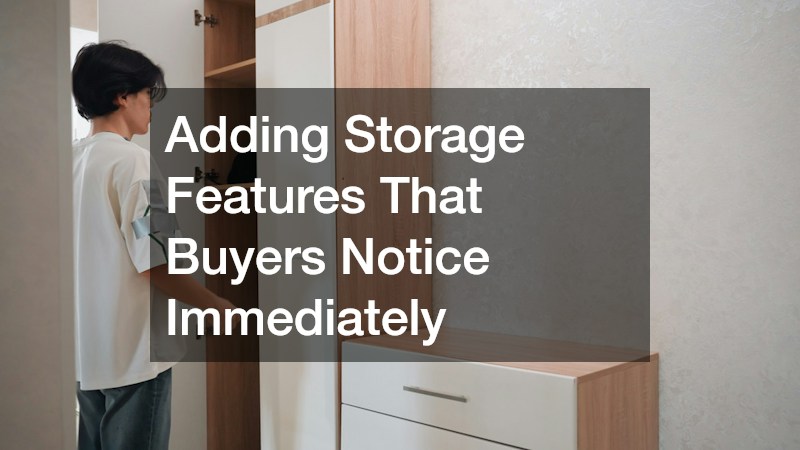
Storage sells homes, and it’s one of the cheapest upgrades relative to the impact it has on a buyer’s first impression. Installing closet organization systems in primary bedrooms and entryways signals attention to detail without requiring a major renovation budget. Buyers touring a home almost always open closet doors, and a thoughtfully organized space reads as move-in ready rather than dated.
These systems range from simple wire shelving to custom wood-finish builds, and flippers should match the investment to the price point of the home. In a mid-range flip, a few hundred dollars per closet can noticeably improve how polished the home feels during showings. It’s a small line item that punches well above its cost in terms of perceived value.
Deciding Whether Solar Upgrades Make Financial Sense
Solar panels can be a compelling selling point in markets where buyers are energy-conscious, but they aren’t a universal win for every flip. In regions with high electricity costs and strong solar incentives, a leased or owned solar system can differentiate a listing and justify a slightly higher asking price. However, in markets where buyers are unfamiliar with solar financing or incentives have expired, the upfront cost may not be recouped at resale.
Flippers should research local buyer demand and utility rates before committing to this upgrade, since it’s a larger investment than most cosmetic renovations. Leasing arrangements can also complicate a sale if the lease isn’t transferable, so owned systems are generally safer for resale purposes. This is an upgrade best reserved for markets where solar is already a selling point other listings use as well.
Managing a Job Site When the Only Bathroom Is Out of Commission
Full gut renovations often mean the home’s only bathroom is unusable for weeks at a time, which creates a real logistical problem for contractors working long days on site. Renting a unit through bathroom trailer rentals keeps a project moving without forcing workers to drive to find facilities, which saves time and keeps the crew focused. This is a small operational cost that pays for itself in labor efficiency on larger renovation projects.
It also matters for compliance, since many municipalities require accessible restroom facilities on active job sites regardless of project size. Planning for this upfront, rather than scrambling once demolition begins, keeps the project on schedule. It’s a detail that rarely makes it into renovation budgets but can quietly affect how smoothly a project runs.
Handling Trees and Landscaping Hazards Before They Delay Closing

A dead or damaged tree on the property can be more than a cosmetic issue; it can be a liability that spooks buyers or fails an inspection tied to insurance underwriting. Calling emergency tree services to remove hazardous limbs or diseased trees before listing protects both the property and anyone touring it. Insurance companies increasingly flag overhanging branches near rooflines, so addressing this early avoids last-minute scrambling before closing.
Landscaping issues are often treated as cosmetic afterthoughts, but a property with visible tree damage or storm debris signals deferred maintenance to buyers. Clearing hazardous trees also protects the roof and siding investment already made during the renovation. This is a relatively low-cost fix that removes a potential red flag during final walkthroughs.
Adding Outdoor Living Features That Increase Buyer Interest
Outdoor space has become a major selling point, and small additions can make a patio or deck feel more finished without a large investment. Retractable awnings offer buyers a flexible shade solution that photographs well for listings and demonstrates thoughtful outdoor design. They’re particularly effective in warmer climates where buyers prioritize usable outdoor living space during their home search.
Unlike a permanent structure, a retractable option gives future owners flexibility, which tends to appeal to buyers who want low-maintenance features. This kind of upgrade works best as a finishing touch after larger structural and mechanical issues have been addressed, not as a substitute for them. It’s a relatively small investment that adds a polished, lifestyle-oriented detail to the listing photos.
Conclusion
A profitable flip comes down to sequencing your investment correctly, prioritizing the systems buyers and inspectors scrutinize most before spending on finishing touches that simply look good in photos. Skipping due diligence on major mechanicals or structural issues almost always costs more than addressing them upfront. Before starting your next project, map out a realistic budget that accounts for both the visible upgrades and the behind-the-scenes systems that determine whether the sale goes smoothly. Taking that disciplined approach is what separates investors who build long-term wealth from those who learn the hard way.
