
Most homeowners budget for the obvious expenses like mortgage payments, utilities, and the occasional coat of paint, but the systems working quietly behind the scenes often get overlooked until they fail. A cracked pipe, a dying roof, or a neglected HVAC unit can turn into an emergency that drains savings in a single afternoon. The good news is that nearly every one of these surprises is predictable if you know what to look for and when. This guide walks through the home repairs owners most commonly forget to plan for, so you can build a realistic maintenance budget instead of reacting to crises.
Roof Lifespan and Replacement Timelines
Roofs are one of the most expensive components of a home, yet many owners assume they will simply last forever with no attention. In reality, lifespan varies significantly by material: asphalt shingles typically last 15 to 20 years, architectural shingles can stretch to 25 to 30 years, and metal or tile roofs may last 40 years or more with proper care. Age alone can quietly push a roof toward failure even without visible leaks, especially as sealants dry out and materials become brittle from years of sun and temperature swings. Budgeting for replacement should start well before the roof shows obvious signs of trouble. A good rule of thumb is to set aside a percentage of the roof’s replacement cost each year once it passes the halfway point of its expected lifespan, so the expense doesn’t arrive as a sudden shock. Replacement costs can range from a few thousand dollars for a small asphalt roof to well over $20,000 for larger homes or premium materials. Scheduling an annual inspection with local roofers helps catch small issues like lifted shingles, damaged flashing, or granule loss before they turn into structural problems. It’s also worth having a professional check the roof after major storms, since hail and high winds can cause damage that isn’t visible from the ground. Keeping a simple record of inspection dates and repairs can help owners track wear over time and plan more accurately for the eventual replacement.
Most roofing materials come with a predictable shelf life: asphalt shingles typically last 20 to 25 years, while metal, tile, and slate roofs can stretch to 40 years or more with proper maintenance. Knowing your roof’s age and material helps you estimate roughly how many years you have before replacement becomes unavoidable, rather than being caught off guard. When a roof does reach the end of its useful life, roof replacement is a major expense that deserves its own dedicated savings line rather than a scramble for financing. Depending on home size and materials, replacement costs can range anywhere from $8,000 to $25,000 or more, so the earlier you start setting money aside, the less painful the final bill will feel. A practical approach is to divide the expected replacement cost by the number of years remaining in the roof’s lifespan and save that amount monthly. For example, a $15,000 replacement anticipated in 12 years breaks down to roughly $105 a month tucked into a dedicated fund. Building in a buffer for unexpected repairs, storm damage, or material price increases makes this savings plan even more resilient.
- Asphalt shingles generally last 15 to 25 years, though cheaper 3-tab shingles trend toward the lower end while architectural shingles can push past 25
- Metal roofing can last 40 to 70 years with proper care, while tile or slate roofs can exceed 50 to 100 years but cost significantly more upfront
- Climate matters as much as material — intense sun, hail, and freeze-thaw cycles all shorten lifespan regardless of roofing type
- Watch for granule loss, curling or cracked edges, and interior water stains, plus missing shingles after storms and sagging rooflines
- Check attic spaces for daylight peeking through boards or damp insulation, both early signs of hidden leaks
- Get a professional inspection every one to two years, and always after major storms or high winds
- Budget roughly $8,000 to $25,000 for a full replacement depending on home size, material, and roof pitch, and start setting aside funds well before your roof nears its expected end date
Heating and Cooling System Maintenance
HVAC systems are easy to ignore because they hum along quietly until the day they don’t. Budget $150 to $300 a year for professional air conditioning services and furnace tune-ups, plus another $10 to $20 every one to three months for filter replacements, depending on the size of your home and whether you have pets. Routine air conditioning services, including filter changes and coil cleaning, extend the life of the unit and keep energy bills from creeping upward unnoticed. A technician visit also typically covers checking refrigerant levels, inspecting electrical connections, and clearing condensate drain lines, all of which prevent bigger problems down the road. Skipping these checkups often means small issues go unnoticed until the compressor or blower motor fails during the hottest week of summer. Replacing a compressor can run $1,500 to $2,500, while a full system replacement often exceeds $5,000, so a modest annual maintenance budget is cheap insurance by comparison. It’s also worth setting aside a separate reserve for aging equipment. Most HVAC units last 12 to 15 years, and homeowners with systems past the ten-year mark should start budgeting for eventual replacement rather than being caught off guard by a sudden breakdown.
Heat pumps have become increasingly popular for their efficiency, but they also require specialized attention that many owners forget to budget for. Unlike a traditional furnace, a heat pump works year-round to handle both heating and cooling, which means more operating hours and more opportunities for something to wear out. When something goes wrong, heat pump repair costs can vary widely depending on whether the issue involves the refrigerant lines, the outdoor unit, or the electrical components. A simple capacitor or thermostat fix might run $150 to $300, while a refrigerant leak or compressor problem can easily climb past $1,500. Age matters too — units over ten years old are more likely to need costlier repairs, and parts can become harder to source as models are discontinued. Routine maintenance can help avoid the worst of these surprises. Annual professional tune-ups (typically $100 to $250) catch small issues like dirty coils or low refrigerant before they become major failures, and simple homeowner tasks like changing filters monthly cost only a few dollars but extend the system’s lifespan. Building a small annual reserve for HVAC upkeep, separate from general repair savings, makes these costs far less stressful when they arise. Setting aside $300 to $500 a year specifically for heating and cooling needs gives most households a comfortable cushion for both routine service calls and the occasional unexpected breakdown.
Septic System Pumping and Inspection Schedules
Homeowners on septic systems often forget that these systems need regular attention, not just emergency calls when something backs up. Waiting too long between services can lead to costly drain field damage that is far more expensive than routine care. Most professionals recommend that owners pump out septic tank contents every three to five years, depending on household size and water usage.
Skipping this maintenance doesn’t just risk plumbing backups inside the home, it can also lead to environmental contamination and costly repairs to the leach field. Keeping a simple log of your last few service dates helps you stay ahead of the schedule rather than guessing when the tank was last emptied.
- Larger households need more frequent pumping
- Watch for slow drains and soggy patches in the yard
- Avoid flushing grease, wipes, or chemicals that clog the system
- Schedule inspections even if no problems are visible
Swimming Pool Surface and Equipment Upkeep
A backyard pool adds tremendous value and enjoyment, but its surface does not last indefinitely no matter how well it is chemically balanced. Plaster typically begins showing signs of wear after 10 to 15 years, including rough texture, discoloration, and small cracks that can scratch skin or leak water. Pool replastering is a significant investment that many owners never anticipate until they notice the surface flaking away, and costs generally range from $4,500 to $8,000 or more depending on pool size and the finish chosen. Beyond the plaster itself, the equipment that keeps a pool running has its own replacement timeline. Pumps typically last 8 to 12 years, heaters around 10 to 15 years, and filters roughly 5 to 10 years depending on type and usage. Salt cell generators for saltwater systems often need replacing every 3 to 7 years, an expense that catches many owners off guard since it isn’t as visible as surface damage. Tile, coping, and pool decking also wear down over time, often needing attention around the same period as replastering. Cracked coping or lifted decking can allow water intrusion that accelerates structural damage if ignored. Setting aside $300 to $500 annually specifically for pool surface and equipment upkeep can help spread these costs out instead of facing them as one overwhelming bill.
Beyond the surface itself, pumps, filters, and heaters also wear down over time and deserve their own maintenance budget. A pool pump typically lasts 8-12 years and costs $500-$1,200 to replace, while filters need cartridge or sand replacement every few years at a smaller but recurring cost. Heaters are often the priciest component, with repairs running $300-$600 and full replacements reaching $2,000-$4,000 depending on the unit. Plaster or vinyl liner surfaces also have their own lifespan, typically needing resurfacing every 10-15 years at a cost that can run into the thousands. Setting aside $300-$500 annually into a dedicated pool fund helps cover routine parts replacement without derailing your broader home budget. It’s also worth accounting for seasonal opening and closing costs, chemical balancing, and occasional emergency repairs like a cracked pipe or failed motor. Setting aside funds annually for both surface renewal and equipment repairs prevents the sticker shock that often accompanies pool ownership surprises.
Bathroom Fixtures and Long Term Renovation Planning

Bathrooms take a beating from daily humidity, water exposure, and constant use, which means fixtures and finishes wear out faster than owners expect. Grout deteriorates, caulking fails, and fixtures corrode long before most people think to budget for a refresh. A full bathroom remodel is a bigger undertaking, often necessary every 15 to 20 years as plumbing, tile, and ventilation systems age simultaneously.
Rather than waiting until everything fails at once, it helps to plan smaller updates along the way, such as replacing a worn vanity or repairing tile grout before water damage spreads. This staggered approach spreads costs over time and reduces the chance of an overwhelming renovation bill arriving all at once.
- Watch for soft spots in flooring near the tub or shower
- Replace exhaust fans every 10 years to prevent moisture buildup
- Reseal grout and caulk annually to prevent leaks
- Budget separately for plumbing versus cosmetic updates
Exterior Siding Wear and Weatherproofing
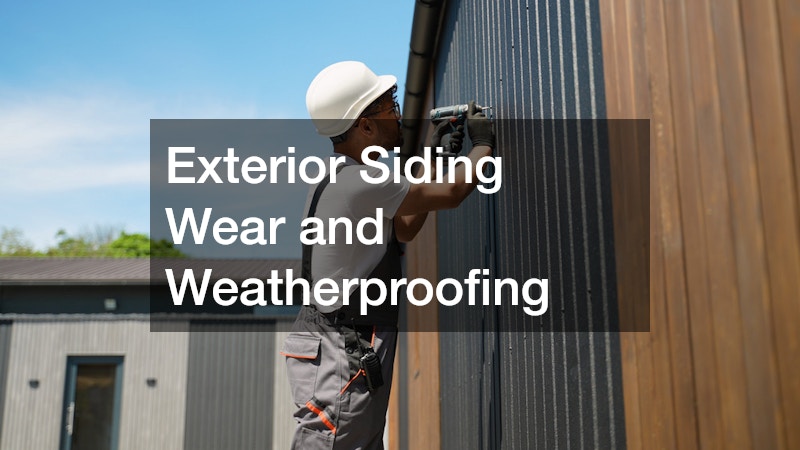
Siding takes on constant exposure to sun, rain, and temperature swings, and many owners don’t think about it until they notice warping, fading, or gaps letting in moisture. By the time these signs are visible, water may already be seeping behind the panels and affecting the sheathing underneath, turning what looked like a cosmetic issue into a structural repair bill. Depending on the material, siding installation may become necessary every 20 to 40 years, though harsh climates can shorten that window considerably. Homes in coastal areas deal with salt air corrosion, while regions with freeze-thaw cycles put extra stress on seams and fasteners, both of which accelerate wear well ahead of the “expected” timeline. Vinyl, wood, and fiber cement all age differently, so knowing your specific material helps set realistic expectations for replacement timing. Vinyl is budget-friendly but can crack or fade in intense sun; wood offers classic appeal but demands regular repainting or staining to fend off rot; fiber cement holds up longer against fire and pests but costs more upfront and is heavier to install. Setting aside even a small annual maintenance fund — for caulking, spot repairs, or repainting — can stretch the life of your siding and delay the larger expense of a full replacement. Budgeting a rough estimate per square foot for eventual siding installation, based on your material choice, also keeps the inevitable from becoming a financial surprise.
Beyond the aesthetic issues, damaged siding can lead to bigger problems like insulation damage and pest intrusion if left unaddressed. Even small gaps behind cracked panels can let moisture seep into the wall cavity, leading to mold growth or rotted sheathing that costs far more to fix than the siding itself. Budget-wise, homeowners should set aside roughly $500 to $1,500 a year for minor siding repairs, depending on the material. Vinyl siding is generally cheaper to patch, while fiber cement or wood siding repairs can run higher due to labor and material costs. Regular inspections after major storms can help you catch small issues, like a cracked panel, loose seam, or dented section, before they compromise the whole exterior. Pay close attention to areas around windows, doors, and corners, since these spots are more prone to water infiltration. It’s also worth budgeting for periodic recaulking and resealing every few years, especially in climates with heavy rain, snow, or temperature swings. This kind of preventive weatherproofing typically costs a few hundred dollars but can significantly extend the life of your siding and reduce the odds of a costly full replacement down the road.
Yard and Landscaping Health Investments
Landscaping is often treated as optional spending, but a neglected yard can lead to erosion issues, pest problems, and decreased curb appeal that affects resale value. Regular fertilizing service throughout the growing season keeps soil healthy and grass resilient against drought and disease. Skipping this maintenance for a season or two might not seem like a big deal, but restoring a neglected lawn later often costs far more than consistent upkeep would have.
- Fertilize on a seasonal schedule based on your grass type
- Aerate soil annually to improve nutrient absorption
- Address drainage issues before they erode soil near the foundation
- Budget for irrigation repairs alongside lawn care
Kitchen Plumbing and Grease Management
Kitchens generate more wear on plumbing systems than most owners realize, especially when it comes to grease and food waste heading down the drain. Over time, grease trap pumping becomes necessary for homes with heavier cooking habits or older plumbing systems that weren’t designed for modern usage patterns. Ignoring this maintenance can lead to slow drains, unpleasant odors, and even sewage backups that are far more expensive to fix than routine servicing.
Many owners assume this kind of maintenance is only relevant for restaurants, but any household that cooks frequently with oils and fats can benefit from periodic professional cleaning. Pairing this service with a broader annual plumbing checkup helps you catch small clogs before they become major blockages.
Building a home maintenance budget that accounts for these often-overlooked systems takes some upfront planning, but it pays off by turning big surprises into manageable, predictable expenses. Start by listing the major systems in your home, noting their approximate age, and setting aside a small monthly reserve for each one. Over time, this proactive approach will save you money, stress, and the scramble that comes with emergency repairs. Your next step is simple: pick one system from this list that you haven’t thought about in a while and schedule an inspection this month.
